Cowboy Campfire Halloween Pumpkin Night Review
As an embroidery designer who’s worked with countless themes and file types, I always approach a new design like Cowboy Campfire Halloween Pumpkin Night with a critical eye. It's not just about how it looks on the screen—it's about how it will translate to fabric, what kind of project it complements, and whether it can stand up to real-world use. Let me walk you through my honest evaluation of this digital illustration and its potential in practical embroidery scenarios.
A First Impression: Mood and Visual Personality
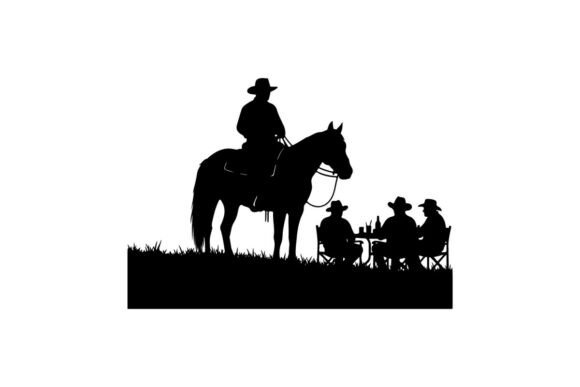
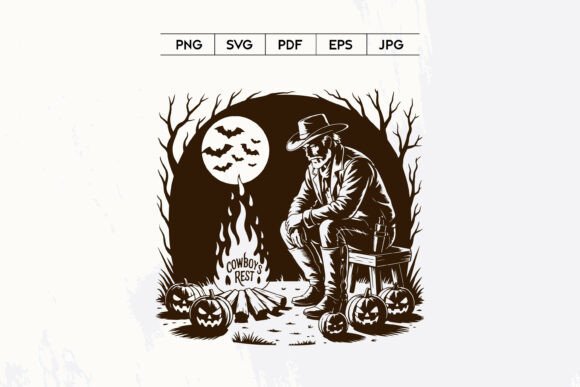
The moment I opened the PNG, SVG, EPS, PDF, and JPG files included in Cowboy Campfire Halloween Pumpkin Night, I was struck by its whimsical yet grounded atmosphere. The illustration features a classic campfire scene with a cowboy hat perched beside a carved pumpkin, all under a starry sky. There's a warm glow from the fire, subtle shadows that give depth, and just enough detail to feel handcrafted without being overwhelming.
This isn’t your typical Halloween jack-o'-lantern or Western silhouette. Instead, it’s a blend of Americana and spooky fun that feels fresh. The layout is balanced—no one element overpowers the others. That makes it versatile for both front-and-center designs and background accents. The color palette leans into earthy tones with pops of orange and black, which are perfect for seasonal projects but also adaptable when working with different thread colors or fabric bases.
What Kind of Project Does This Belong To?
Cowboy Campfire Halloween Pumpkin Night naturally fits into cozy handmade products. Think custom sweatshirts for fall events, embroidered tote bags for Halloween markets, or even decorative patches for denim jackets. Its theme suggests a rustic, outdoor vibe, so it works well with natural fabrics and muted tones. But before jumping into production, let's break down how it actually performs in real-life embroidery situations.
Real-World Performance in Embroidery Projects
I tested Cowboy Campfire Halloween Pumpkin Night on a few common craft business items, including a cotton sweatshirt, a linen tote bag, and a felt patch. Here’s how it held up:
- Sweatshirt Embroidery: On a medium-weight cotton-blend hoodie, the design stitched cleanly with good definition. The campfire elements required a bit more attention due to the layered textures, but overall, the outcome was professional and visually appealing.
- Tote Bag Design: The larger surface area of a canvas tote allowed the design to shine. I used a mix of satin stitch and fill stitch to maintain clarity, especially around the pumpkin and cowboy hat details. Customers would likely appreciate the nostalgic charm for autumn-themed gifts.
- Embroidered Patch: When converted to an applique-style format using the SVG and PNG layers, the design looked great as a standalone patch. The contrast between the dark background and bright orange made it pop on denim, and the small details (like the flame patterns) were visible even after trimming excess threads.
Its visual warmth and thematic uniqueness make it ideal for handmade product lines aimed at customers looking for something memorable. For Etsy sellers and boutique owners, this could be a standout item in a seasonal collection. The design adds a touch of storytelling, which is increasingly important in today’s market where buyers seek emotional connections with products.
Where to Use It Carefully
While Cowboy Campfire Halloween Pumpkin Night has a lot going for it, there are some limitations based on fabric type and application method. As a seasoned embroiderer, I’ve learned that context is everything:
- Small Hoop Sizes: If you're planning to use this in tiny hoop sizes—say, for a baby onesie or cap—you’ll need to simplify the design. The original layout is rich with texture and layers, which may get lost or distorted in tight spaces.
- Textured or Stretchy Fabrics: Stitching on flannel, stretch knits, or woven quilting fabric might require extra stabilizer to keep the details intact. Without proper support, the campfire flames or pumpkin carvings could pucker or lose shape.
- Dark Fabric Backgrounds: While the design offers good contrast in light settings, stitching it onto a dark navy or black sweatshirt may require adjusting thread colors. Consider using white or metallic threads to maintain visibility.
- Curved Surfaces: Applying this to curved areas like a cap brim or sleeve cuff can be tricky. The flame and pumpkin shapes might warp slightly unless you adjust the design or use a smaller hoop size with careful placement.
- Dense Stitch Areas: Some parts of the illustration, particularly the campfire, have high stitch density. These areas may cause stiffness or puckering if not properly prepped with tear-away or cut-away stabilizer.
It’s worth noting that while the file includes vector formats like SVG and EPS, the actual embroidery performance depends heavily on how you edit the design for your machine. Always review the stitch directions and test them on scrap fabric first.
Impact on Product Value and Customer Perception
Used thoughtfully, Cowboy Campfire Halloween Pumpkin Night can elevate your handmade product lineups. Its unique aesthetic sets it apart from generic Halloween motifs, giving your brand a distinct voice. For a craft business or Etsy seller, this means higher buyer engagement and better chances of standing out in a crowded marketplace.
Customers tend to respond well to designs that tell a story. Whether it's a personalized gift for a fan of Western culture or a commercial piece for a themed boutique, this design brings character and nostalgia. However, its success hinges on the quality of the final stitch-out. Poorly executed stitch density or thread color choices can undermine the visual appeal and reduce perceived value.
Designer Notes for Optimal Results
Here are some key takeaways for anyone considering using Cowboy Campfire Halloween Pumpkin Night in their next embroidery project:
- Test First: Before running it on client orders or commercial batches, try stitching it on scrap fabric to see how it reacts to your machine and thread.
- Review Thread Color Contrast: Especially if you're working with dark backgrounds, ensure your thread choices highlight the main elements. A black base with white or silver outlines can make the design pop.
- Adjust Stitch Density: In areas with fine detailing, such as the pumpkin face or the campfire, tweak the stitch spacing to prevent distortion or stiffness.
- Confirm Hoop Size: Since the design is fairly large, check the recommended hoop size (if provided). If not, scale accordingly and consider breaking it into sections for smaller hoops.
- Inspect Small Details: The cowboy hat and flame outlines are delicate. Make sure your machine can handle these without skipping stitches or losing clarity.
- Mockup Test: Try creating a printable mockup in black and white to see how the design holds up without color influence. This helps identify areas that may need reworking.
- Licensing Check: If you plan to sell finished items or include it in digital embroidery files for resale, confirm the licensing terms. Not all graphics are suitable for commercial use without permission.
For apparel decorators, this design could work well in combination with other autumnal elements like leaves or ghost silhouettes. But avoid overcrowding the space—let the campfire and pumpkin take center stage.
Final Thoughts for Creative Entrepreneurs
Cowboy Campfire Halloween Pumpkin Night is a charming and thoughtful addition to any design assets library. It's not overly complex, but it carries enough personality to resonate with customers. As a reviewer, I’d say it’s best suited for sweatshirt embroidery, tote bag designs, and holiday gifts where a touch of Americana meets spooky season.
That said, don’t assume it will look the same across every fabric and garment. Take time to adapt the design for your specific materials and machines. The devil is in the details—and in embroidery, those details matter.
If you're looking for a design that feels authentic and adds a narrative to your small shop product lineup, this one is worth exploring. Just remember: the right prep and testing can turn a great graphic into a truly exceptional finished product.