Little Western Darling: A Playful Embroidery Design for Creative Projects
If you're in the market for an embroidery design that brings charm and character to your handmade products, Little Western Darling Cute Vector Art might just be the one. As a designer who's tested countless vector illustrations and graphics in real-world embroidery projects, I found this design to have a unique blend of whimsy and versatility that makes it stand out among other digital assets.
First Impressions and Visual Personality
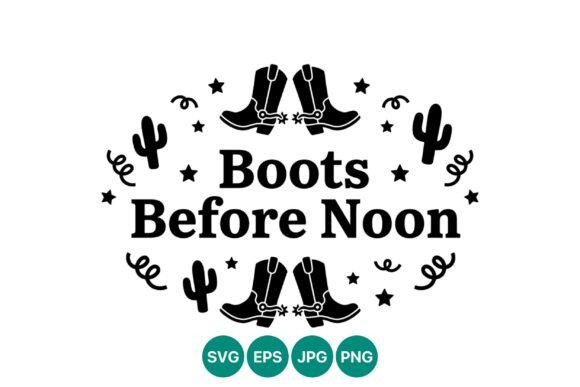
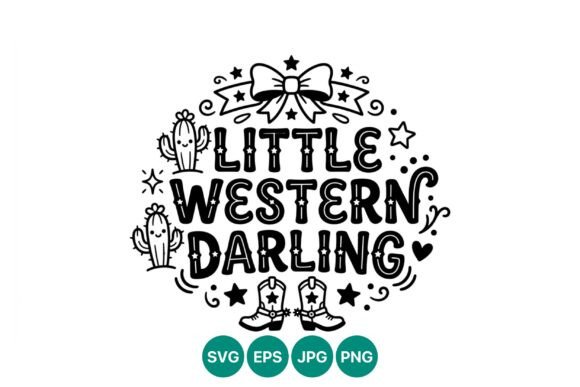
The moment I opened the ZIP folder containing the SVG and PNG files for Little Western Darling Cute Vector Art, I was drawn to its playful aesthetic. The black and white color scheme gives it a timeless feel while allowing for maximum flexibility in thread color choices. The layout is balanced with a central phrase — "little western darling" — flanked by cartoon cactuses, cowboy boots, stars, and a decorative bow. These elements create a soft, lighthearted mood that screams Americana charm without being over the top.
What really caught my attention was how the design feels approachable yet polished. It’s not too childish, but it carries enough personality to resonate with niche audiences like boutique owners, Etsy sellers, and fans of rustic or western-themed craft items. The detail level is moderate, which means it won’t overwhelm smaller spaces or delicate fabrics — a big plus for practical use in custom apparel and gift items.
Real-World Applications
I decided to test Little Western Darling on a few different project types to see how it would hold up in various scenarios. First, I tried it on a custom sweatshirt for a client who wanted something cute and casual for their daughter. The result was delightful — the phrase and accompanying motifs stitched cleanly, with the cowboy boots adding just the right amount of visual interest without overshadowing the text.
Next, I applied the design to a tote bag for a small shop product line. The design scaled well, maintaining its clarity even at a larger size. The playful style fit perfectly with the shop’s branding, which leans into vintage and bohemian aesthetics. Customers were immediately drawn to the bag, commenting on how the embroidered patch added a touch of humor and warmth.
For baby embroidery, the phrase "little western darling" had a sweet, affectionate tone that paired beautifully with pastel thread colors. When stitched onto a onesie or a pillow cover, it felt both personal and professional. The stars and cactus accents gave it a subtle texture that elevated the overall look beyond a simple monogram or name stitch.
On holiday gifts like mugs or aprons, the design brought a festive yet laid-back vibe. It worked especially well as a printable mockup element when creating digital previews for online listings. Its graphic nature made it easy to overlay on fabric swatches or garment templates, helping buyers visualize the finished product before purchasing.
Where This Design Shines
- Custom Apparel: Sweatshirts, t-shirts, and hoodies are ideal for showcasing this design due to their flat surfaces and durability.
- Baby Items: The gentle, friendly tone fits perfectly on onesies, blankets, and nursery decor.
- Tote Bag Design: With its compact and centered layout, it becomes a standout feature on canvas or cotton totes.
- Embroidered Patch: The cohesive shape and limited detail make it a great candidate for cutwork or applique-style patches.
- Holiday and Wedding Gifts: The whimsical western theme adds a fun twist to personalized gifts, making them memorable and shareable.
Design Considerations for Embroidery Use
While Little Western Darling Cute Vector Art has many strengths, there are some situations where extra care is needed. For example, if you're working with a small hoop size, the design may lose some of its impact unless you scale it down carefully. I recommend checking whether all the key elements — especially the tiny lettering and intricate parts of the cowboy boots — will remain legible after resizing.
Textured or stretchy fabrics can also affect how the design looks post-stitching. Because it relies on clean lines and subtle shapes, it’s best suited for smooth materials like quilting cotton or denim. On thin or dark fabric, contrast is essential; using lighter thread colors (like cream or light gray) will help the design pop and maintain its visibility.
Another thing to note is the stitch density. While the design doesn’t require overly dense fill stitches, certain areas — such as the bow or the stars — may benefit from a slightly tighter satin stitch to keep the details crisp. If you’re planning to embroider on curved surfaces like caps or hats, you’ll need to adjust the placement and possibly break the design into sections to ensure it lays flat and doesn’t distort during stitching.
When to Proceed with Caution
- Small Hoop Sizes: Avoid shrinking the design too much, as it could compromise the readability of the text and the clarity of the graphics.
- Dark Fabric Backgrounds: Test the design on a sample first to ensure the black and white motif remains visible and appealing.
- Frequent Washing: If the design is going on a kitchen towel or apron, consider using high-quality threads and stabilizers to prevent fraying or fading over time.
- Layered Garments: If you're embroidering on a layered item like a quilt or stuffed toy, ensure the design isn’t too thick in any area to avoid bulging or puckling.
Impact on Product Value and Customer Appeal
In terms of visual appeal, Little Western Darling is a winner. It adds a sense of individuality and charm to any product it’s placed on, making it highly giftable and suitable for boutique branding. Whether it’s on a personalized baby item or a commercial embroidery run for a western-themed apparel line, it enhances the product’s recognition and perceived value.
From a customer trust perspective, the design communicates quality and thoughtfulness. It’s not generic or mass-produced looking, which is important for handmade product lines and Etsy sellers aiming to build a loyal audience. The consistency of the style across different formats (SVG and PNG) also makes it reliable for both physical and digital product presentations.
As a design asset, it’s flexible enough to be used in multiple ways — from sweatshirt embroidery to printable mockups for social media or listing images. Its graphic nature allows it to be easily resized and adapted without losing its essence, which is a huge bonus for creative entrepreneurs managing varied product ranges.
Designer Notes for Best Results
Before using Little Western Darling Cute Vector Art in production, I always suggest doing a quick test run on scrap fabric. This helps you evaluate how the stitch count affects the final look and whether the design needs minor adjustments for specific machines or settings.
Here are a few practical tips:
- Check thread color contrast against your fabric background to ensure visibility.
- Review stitch density in detailed areas like the bow or stars to avoid distortion.
- Confirm hoop size requirements to match your machine capabilities.
- Inspect small details like the lettering and cactus outlines to ensure they stitch clearly.
- Test the design in both light and dark fabric backgrounds to understand how it adapts.
- Use appropriate stabilizer to support the fabric during stitching, especially on thinner materials.
- Always confirm licensing before selling finished products or embedding the file into digital embroidery files for resale.
Final Thoughts
Little Western Darling Cute Vector Art is more than just a catchy phrase wrapped in cute visuals — it’s a versatile illustration that can enhance a wide range of handmade products. Whether you're an embroidery designer crafting custom orders, an Etsy seller building a signature collection, or a craft business owner looking to add personality to your shop merchandise, this design offers a fresh take on western themes with a modern, playful edge.
It’s not perfect for every scenario — particularly when dealing with tight spaces or challenging fabric textures — but with thoughtful application and a bit of testing, it can become a valuable addition to your design portfolio. Just remember to treat it as a living part of your embroidery project, not just a static image. That’s what separates good designs from great ones in the world of commercial embroidery.