Silhouette of Cowboy Falling off Bucking – A Bold Statement in Embroidery
First Impressions: Strong, Simple, and Stylish
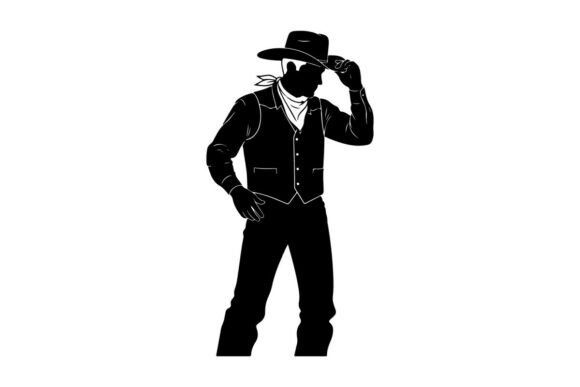
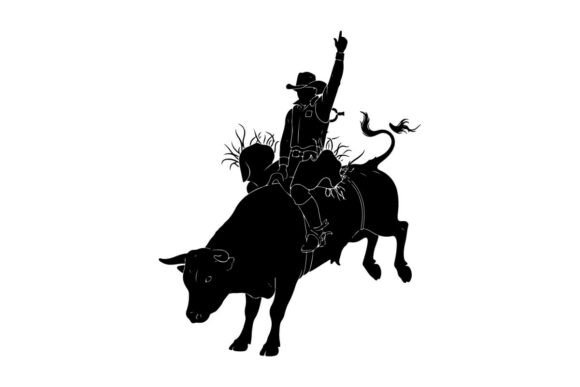
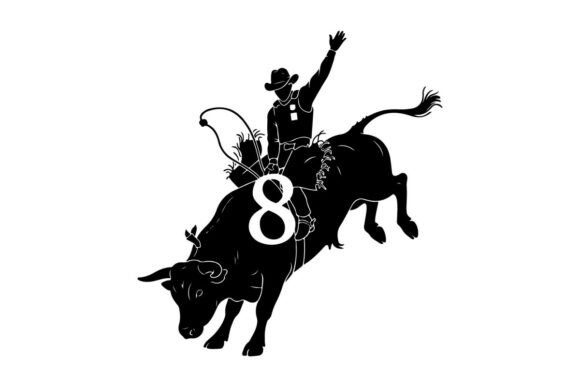
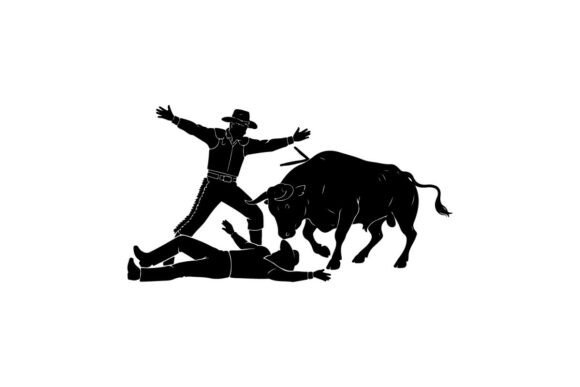
When I first saw the Silhouette of Cowboy Falling off Bucking, it struck me as a design with real character. It’s not just another cowboy on a horse—it’s a moment captured in motion, with a sense of drama and energy that’s surprisingly rare in silhouette-based artwork. The clean lines and minimal detail give it a modern edge, while the subject matter feels nostalgic and fun at the same time.A Versatile Graphic for Real Projects
I recently used this design in a custom sweatshirt project for a client who wanted something unique for their ranch-themed boutique. The Silhouette of Cowboy Falling off Bucking fit perfectly on the back yoke, where it added a touch of humor and personality without competing with the rest of the garment’s design. The beauty of this graphic lies in its adaptability. It works well as an embroidery file for projects like:- Tote bag designs — especially for a western-themed line or event giveaways.
- Sweatshirt embroidery — ideal for placement on sleeves, hoods, or back panels.
- Baby clothes — imagine it as part of a playful nursery set or onesie motif.
- Embroidered patches — the bold outline makes it a standout candidate for sew-on accents.
- Holiday gifts — think Christmas aprons or personalized stockings with a cheeky twist.
- Nursery decor — subtle enough for walls yet distinctive enough to make a statement.
Real-World Stitching Considerations
While the silhouette of cowboy falling off bucking is visually appealing, it's important to consider how it performs under the needle. Here are some practical insights based on my experience:The stitch density is moderate, so it won’t eat through delicate materials unless you're using heavy stabilizer. That said, if you’re planning to embroider this on a stretchy fabric like spandex blends or knits, be sure to use a stabilizer underneath to prevent distortion. I found that testing the design on scrap fabric first gave me confidence in how it would react to tension and pressure settings.
Also, since it’s a high-contrast graphic, thread color choice becomes crucial. Using a light-colored thread on dark backgrounds enhances the clarity of the silhouette, whereas dark threads on light fabrics offer a classic, elegant look. I recommend experimenting with a few thread colors to see which one best matches your intended aesthetic and fabric type.
For hoop size, the design benefits from a medium to large hoop depending on the scale you choose. If you're shrinking it down for a cap or patch, double-check that all the lines remain crisp and legible. Small-scale embroidery can lose definition quickly, and this design is no exception. Always inspect the corners and curves after stitching to ensure they don't become jagged or distorted.
Where to Use It Carefully
- Textured fabrics — Raised textures can affect stitch clarity, making the silhouette appear uneven.
- Thin or stretchy materials — These require careful stabilization to avoid puckering or misalignment.
- Dark fabric backgrounds — While possible, contrast is essential for visibility and impact.
- Products that get frequent washing — Dense areas may fray over time if not properly reinforced.
- Curved surfaces — Like caps or curved tote bags, the design must be scaled correctly to maintain proportion.
Design Impact and Branding Value
In terms of visual appeal, the Silhouette of Cowboy Falling off Bucking has a strong presence. It’s the kind of design that tells a story at a glance—perfect for handmade products and personalized gifts. The movement and emotion in the figure lend themselves well to storytelling branding, especially for shops with a rustic or adventurous vibe. As a craft business owner, I know that customers often choose items based on emotional resonance. This design adds a bit of lightheartedness and charm, which can boost buyer engagement. Whether it’s a quirky coffee mug or a custom pillow cover, the image feels intentional and memorable. For brand consistency, the minimalist nature of the machine embroidery design allows it to blend seamlessly into existing collections. It doesn’t scream for attention; instead, it quietly commands it. That subtlety can elevate the professionalism of your small shop product offerings.Designer Notes: Best Practices When Using This Design
Here are some quick tips to keep in mind before moving forward with any embroidery project featuring this graphic:- Test on scrap fabric — See how the design reacts to your machine’s settings and material choices.
- Check thread color contrast — Ensure the chosen thread stands out against the fabric background.
- Review stitch density — Adjust if necessary to prevent sinking or puckering, especially on thin or stretchy fabrics.
- Confirm hoop size requirements — Don’t force it into a smaller hoop than recommended.
- Inspect small details — Silhouettes can sometimes lose fine features when scaled down.
- Use proper stabilizer — Backing or tear-away stabilizers help maintain shape and prevent stretching.
- Consider black and white mockups — Since it’s a silhouette, previewing in grayscale helps evaluate its impact.
- Compare light and dark fabric options — You may find it looks better on one than the other.
- Ensure commercial viability — If selling finished goods or digital embroidery files, always verify licensing permissions.