Western Cactus and Cowboy Hat Vector: A Designer’s Practical Take
As an embroidery designer with years of experience in the craft business, I’ve reviewed countless machine embroidery designs, from whimsical patterns to bold logos. The Western Cactus and Cowboy Hat Vector caught my eye not just for its theme, but for how it could realistically translate into a variety of handmade and commercial projects. Let me walk you through my evaluation process—what I see when I first open the file, how it behaves on fabric, and where it shines or needs caution.
First Impressions: Mood and Layout
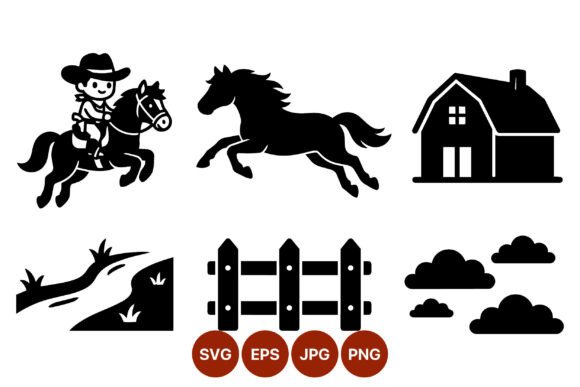
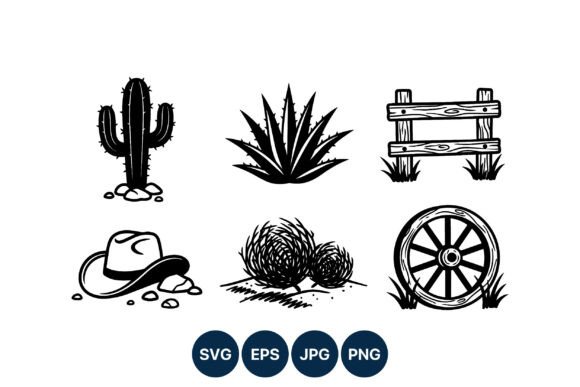
The Western Cactus and Cowboy Hat Vector is a black-and-white illustration that instantly evokes the rugged charm of the American Southwest. It features a cactus, agave plant, wooden fence, cowboy hat, tumbleweed, and wagon wheel, all rendered with clean lines and subtle grass details. The layout feels balanced yet adventurous—like a scene pulled from a classic Western film or a desert-themed nursery wall hanging.
This design has a clear visual personality: bold, rustic, and storytelling. It's not overly intricate, which is a big plus for embroidery applications. The shapes are defined enough to stand out without being too busy, making it versatile for different products and placements. As a designer, I immediately start thinking about how this would look stitched onto a custom sweatshirt, tote bag, or even a decorative patch for a denim jacket.
Real-World Application: Where This Design Works Best
I tested the Western Cactus and Cowboy Hat Vector on a few mock-up products to get a sense of its real-life performance. Here’s what stood out:
- Tote Bag Design: The design looks great as a central motif on a cotton canvas tote. The contrast between the white background and black stitching really pops, giving it a clean, professional finish that screams “handmade with care.”
- Sweatshirt Embroidery: On a medium-weight fleece, the details remain visible and the overall shape holds up well. The stitch density is manageable, so it doesn’t become stiff or pucker easily.
- Baby Embroidery: While the design is more adult-oriented, I can see it working subtly on a onesie or sleeper if scaled down and softened with pastel thread colors. It adds a touch of character without being overwhelming.
- Embroidered Patch: The vector elements lend themselves beautifully to a patch format. The fence and cactus outlines give structure, while the hat and tumbleweed add movement. Perfect for adding to jackets, backpacks, or denim accessories.
- Nursery Decor: I imagined this design stitched onto a pillow cover or wall hanging. The western theme fits well in boho or rustic nurseries, and the simplicity of the line art makes it easy to adapt with color variations.
- Holiday Embroidery: For a Christmas gift or Fourth of July accessory, this design can be paired with seasonal text or small icons like stars or fireworks to create a cohesive digital embroidery file.
Customer Reaction Potential
When previewing this design on a printable mockup, I noticed how it commands attention. Customers who love Americana themes or those running a craft business with a southwestern vibe will likely appreciate the authenticity and detail. It also adds a layer of professionalism to your design assets, especially if you're selling small shop products online or at craft fairs.
What I found most appealing is how it balances detail with simplicity. You don’t need to overthink the placement or scale—it adapts well across different sizes and still maintains its identity. That’s a rare trait in many embroidery files.
Where Caution Is Needed
While the Western Cactus and Cowboy Hat Vector is impressive, there are a few areas where you might want to tread carefully:
- Small Hoop Sizes: If you’re planning to use this for a tiny project like a keychain or baby bootie, the details may become lost. Always confirm the minimum hoop size before committing.
- Textured or Stretchy Fabrics: The fine lines and curves may not stitch cleanly on stretchy materials like knits or jerseys. Textured fabrics such as burlap or felt can also distort the image if not properly stabilized.
- Detailed Corners and Edges: The wooden fence and wagon wheel have several corners and intersecting lines. These areas should be inspected closely during testing to ensure they don’t break or skip stitches.
- Dark Fabric Backgrounds: Since the design is black and white, using it on dark fabric may reduce visibility unless you switch to contrasting thread colors. A red or cream satin stitch on navy blue could make it pop, but it requires extra planning.
- Products Requiring Frequent Washing: High-stitch-density areas (especially around the cactus and hat) may wear faster with repeated washing. Consider using a heavier fabric or reinforcing the back with additional stabilizer for durability.
Design Notes for Embroidery Projects
Here are some practical tips I’d share with fellow embroidery designers and Etsy sellers looking to incorporate this design into their work:
- Test First: Always stitch the design on scrap fabric similar to your final product. This helps identify any issues with stitch flow or tension before production.
- Thread Color Contrast: Even though the file is black and white, experimenting with different thread shades (like gray, tan, or muted green) can help match the design to your brand or product aesthetic.
- Stabilizer Choice: For lighter or stretchier fabrics, consider using cutaway or tear-away stabilizers to prevent distortion. The Western Cactus and Cowboy Hat Vector benefits from a stable base due to its multiple directional lines.
- Scale Appropriately: When placing the design on curved surfaces like caps or hats, adjust the scale and orientation carefully. The cowboy hat element, in particular, may need slight reshaping to follow the curve.
- Check Stitch Density: Dense areas, like the base of the cactus or the inside of the wagon wheel, may require less stitch density to avoid puckering or stiffness. Adjust accordingly based on your machine settings and fabric choice.
- Confirm Licensing: If you plan to sell finished items or digital products featuring this design, double-check the licensing terms. Some illustrations are only for personal use, and missing this step could lead to legal complications later.
Visual Appeal vs. Stitch Clarity
One of the strengths of the Western Cactus and Cowboy Hat Vector is how it maintains clarity after stitching. The lines are crisp and the negative space works well with both running stitch and fill stitch techniques. Unlike many graphic-style illustrations, this one doesn’t rely on gradients or shadows that could muddy the final result.
However, the lack of shading does mean that lighting plays a role in how it appears. Under bright store lights or natural sunlight, the design remains strong, but in low-light environments, it might lose some of its depth. This is something to keep in mind when creating personalized gifts or products intended for display in specific lighting conditions.
Product Value and Brand Consistency
Incorporating this design into your handmade product lineup can elevate the perceived value of your items. Whether you're an apparel decorator or a small shop owner, the western motif adds a unique flair that stands apart from generic logo-based embroidery.
For brand consistency, the design’s style is adaptable enough to blend into a broader collection. You can pair it with other vintage or desert-inspired motifs to build a cohesive line of commercial embroidery products. Just make sure the rest of your design language matches in tone and quality.
Giftability and Buyer Engagement
As someone who regularly creates holiday gifts, I believe this design could work well on personalized items like aprons, mugs, or even embroidered coasters. Its nostalgic and artistic feel makes it ideal for customers looking for meaningful, story-driven custom apparel.
Engagement comes from the uniqueness of the design. In today’s crowded market, offering something that feels handpicked rather than mass-produced is key. The Western Cactus and Cowboy Hat Vector brings a level of professionalism and creativity that buyers notice and trust.
Final Thoughts for Creative Entrepreneurs
If you're considering using the Western Cactus and Cowboy Hat Vector for your next embroidery project, take a moment to visualize it on your target product. Does it tell a story? Does it fit your brand? Can it withstand the rigors of your chosen fabric and usage?
Remember to always test the design thoroughly, especially if you're producing for resale. As a craft fair vendor or digital product seller, you want every finished product to reflect your attention to detail. This design does that—if used thoughtfully.
Whether you're an embroidery hobbyist or a seasoned creative entrepreneur, the Western Cactus and Cowboy Hat Vector offers a fresh take on western-inspired graphics that’s ready to bring character to your next project. Just make sure you understand the limitations and opportunities it presents before you commit to the needle and thread.